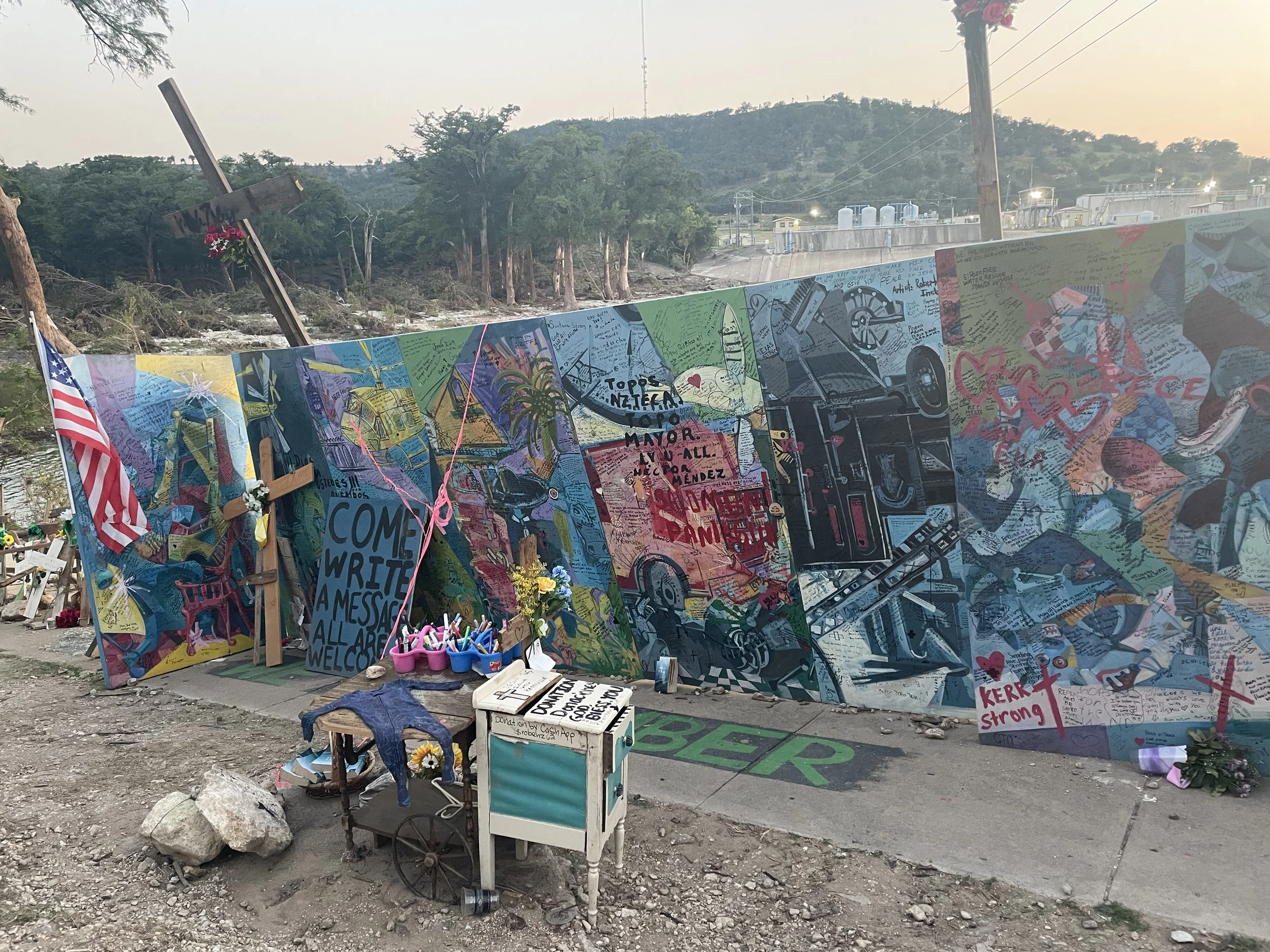

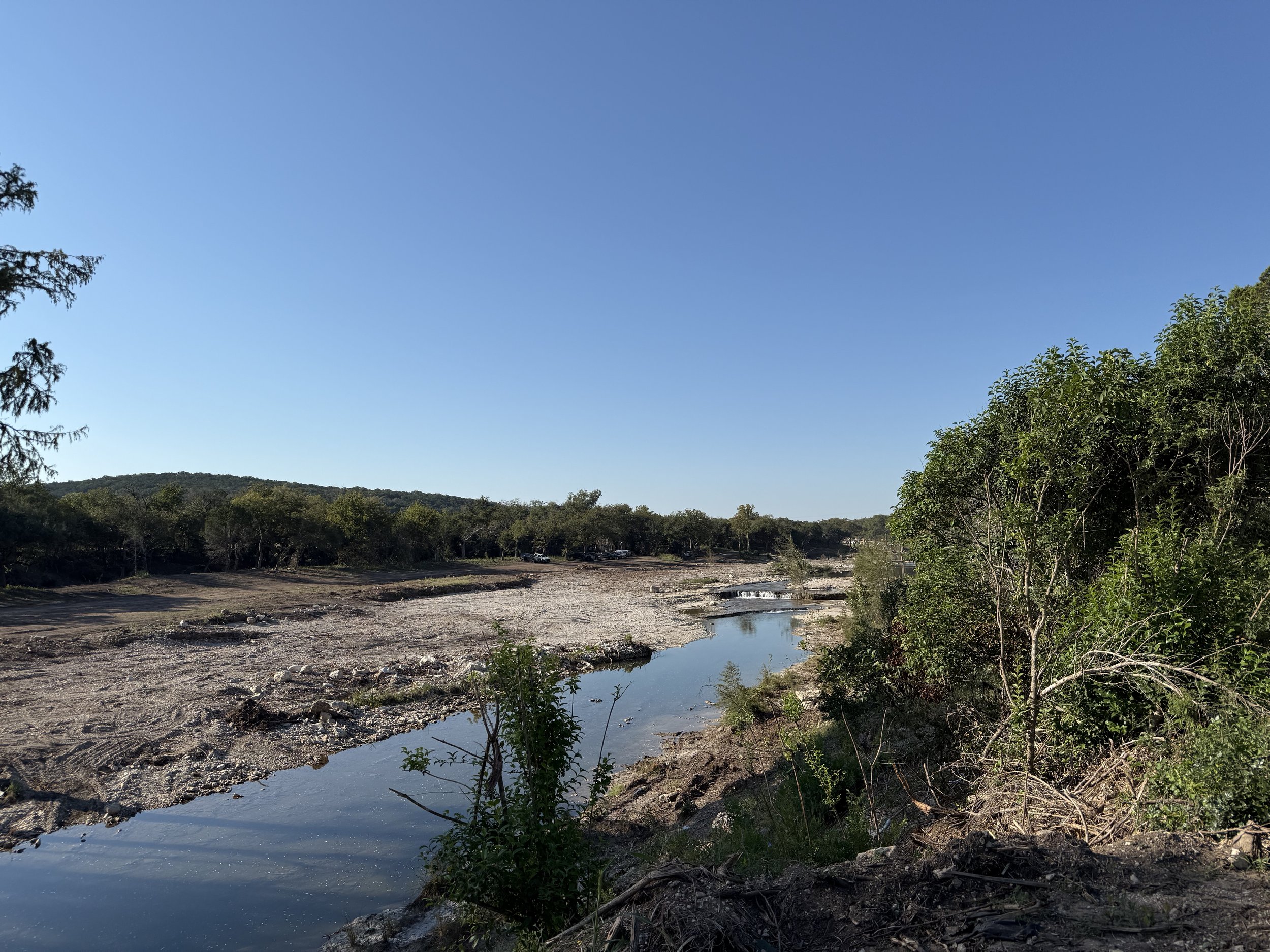
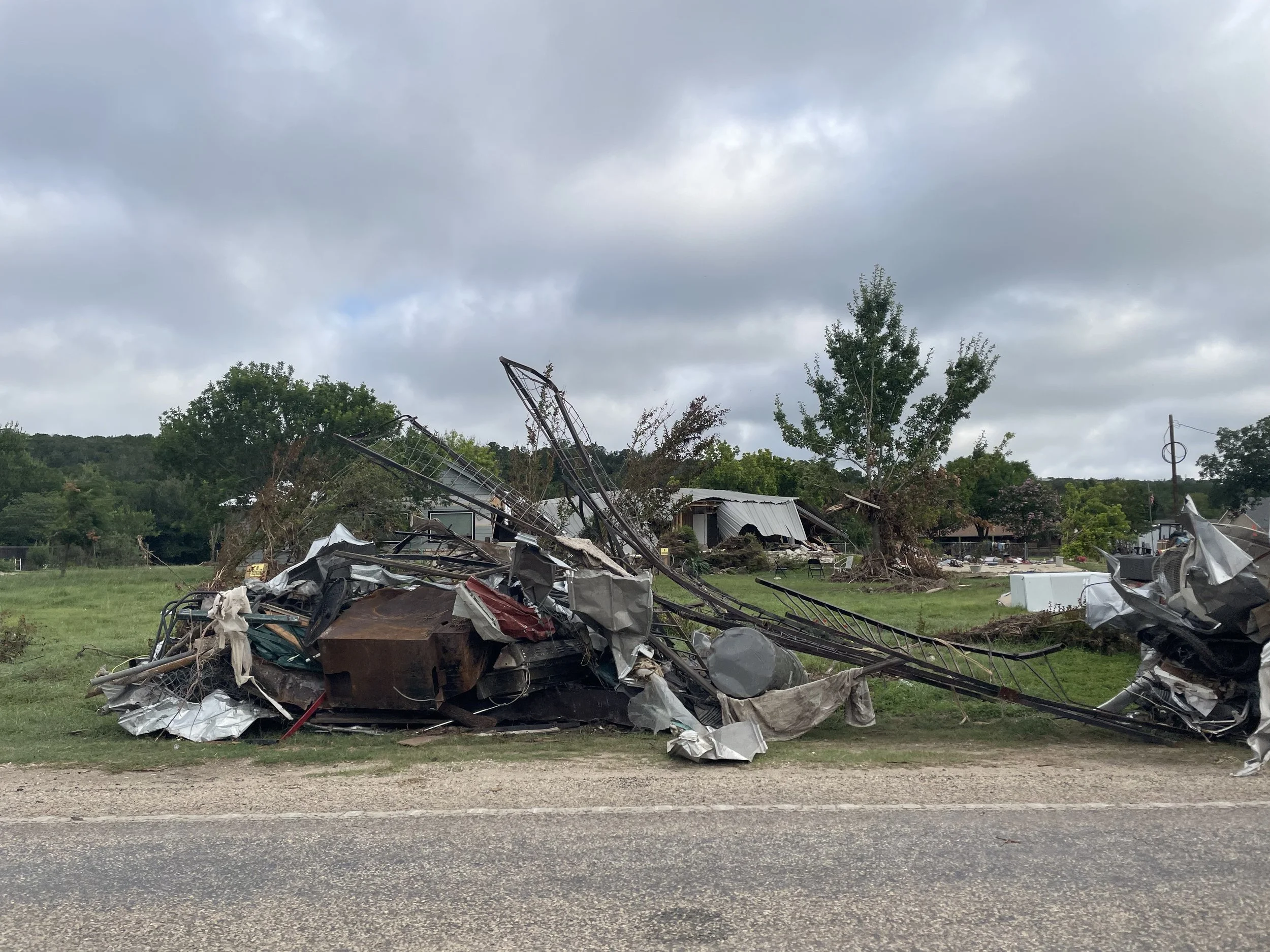
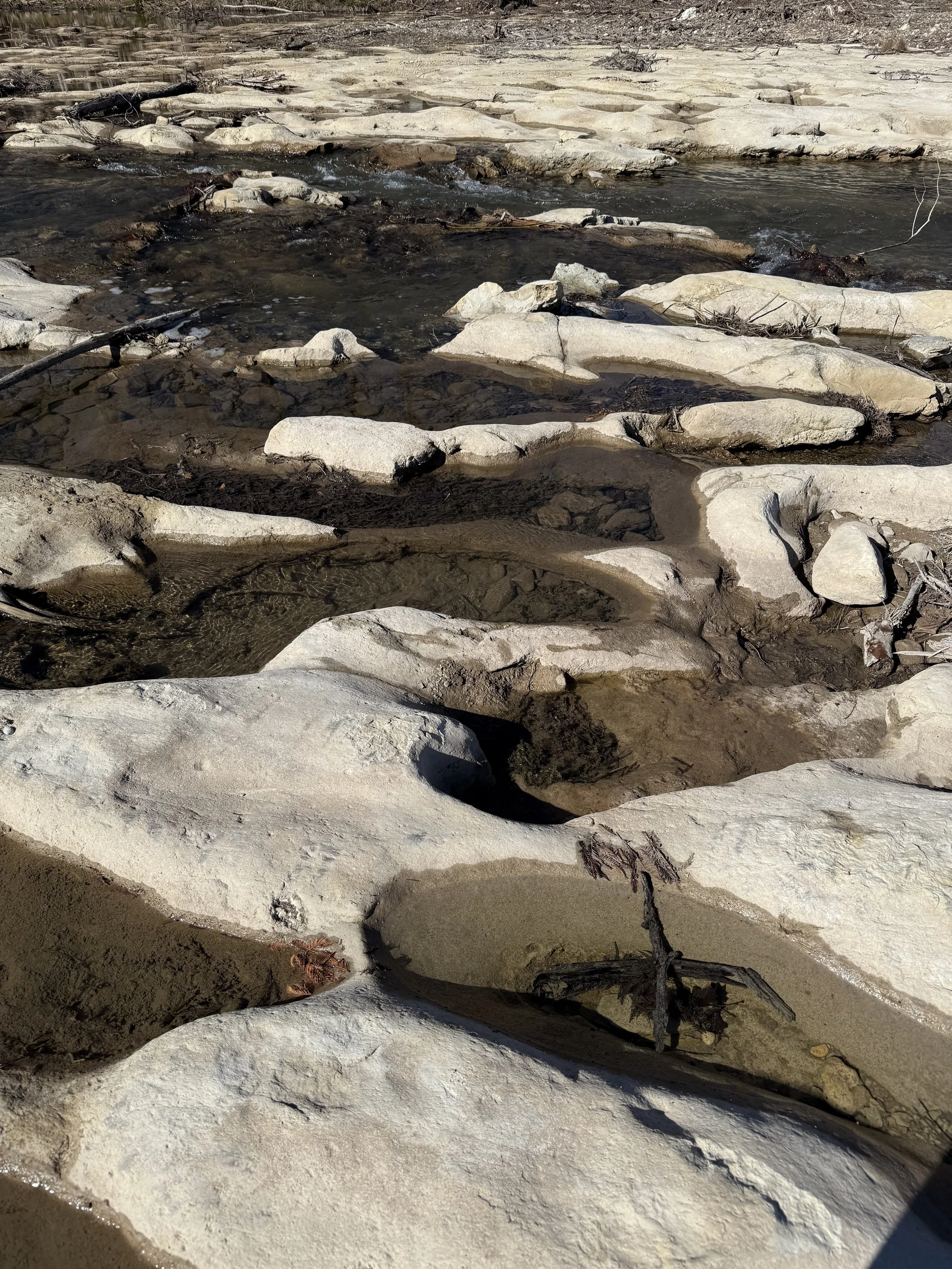
A Grieving Machine is a bespoke, local LLM fine-tuned on a corpus of my own writing about grief at the personal, community, and planetary scales. It is an artist’s book, designed to explore the future of the book and of writing in the age of Generative AI.
Materially, A Grieving Machine is a small, portable box that sits on a desk and can be accessed with a touchscreen and keyboard. It is not connected to the cloud or backed up; it is, instead, a singular artwork, vulnerable to loss or damage the way singular artworks, and individual humans, are always vulnerable to their environments.
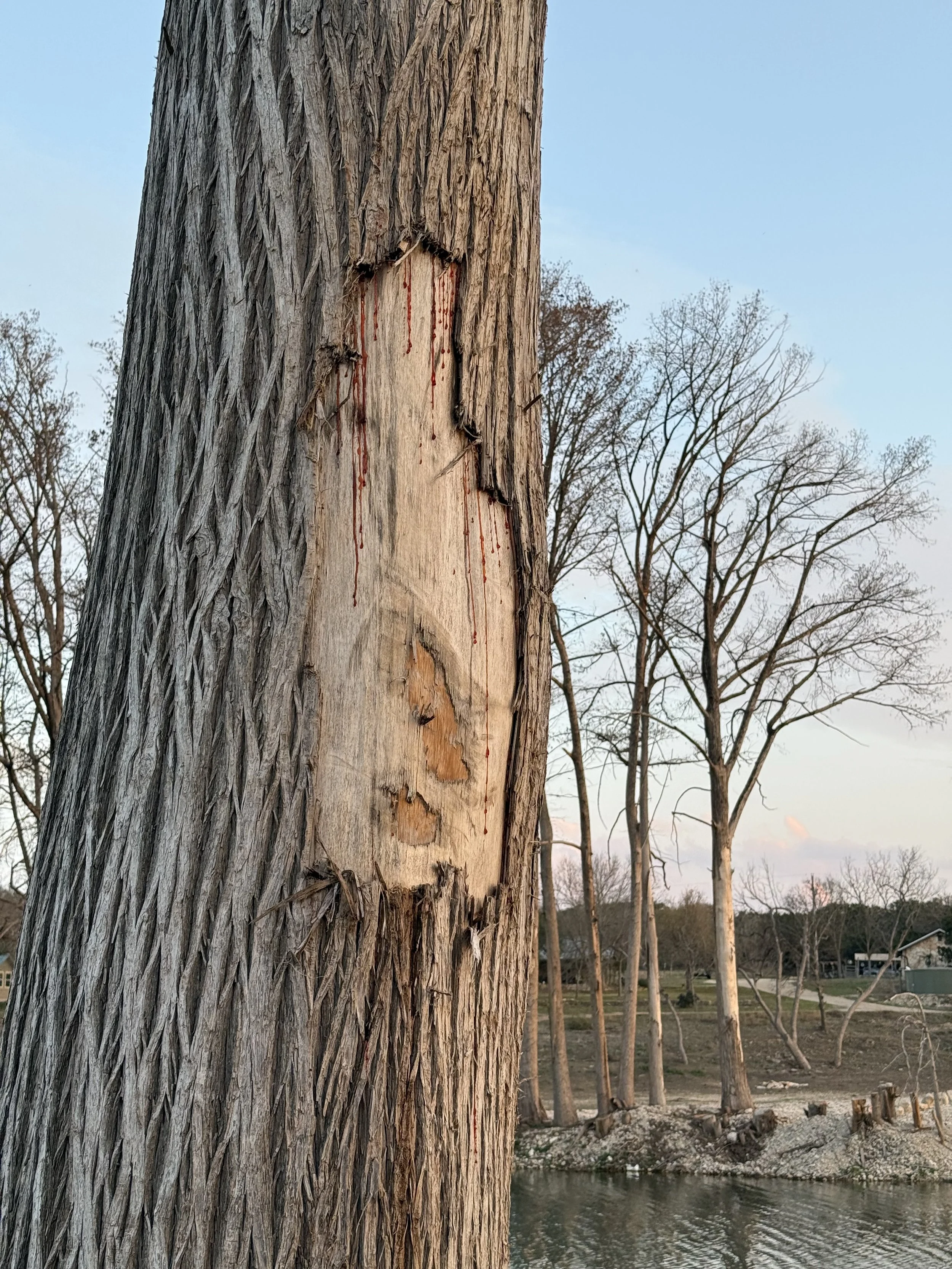
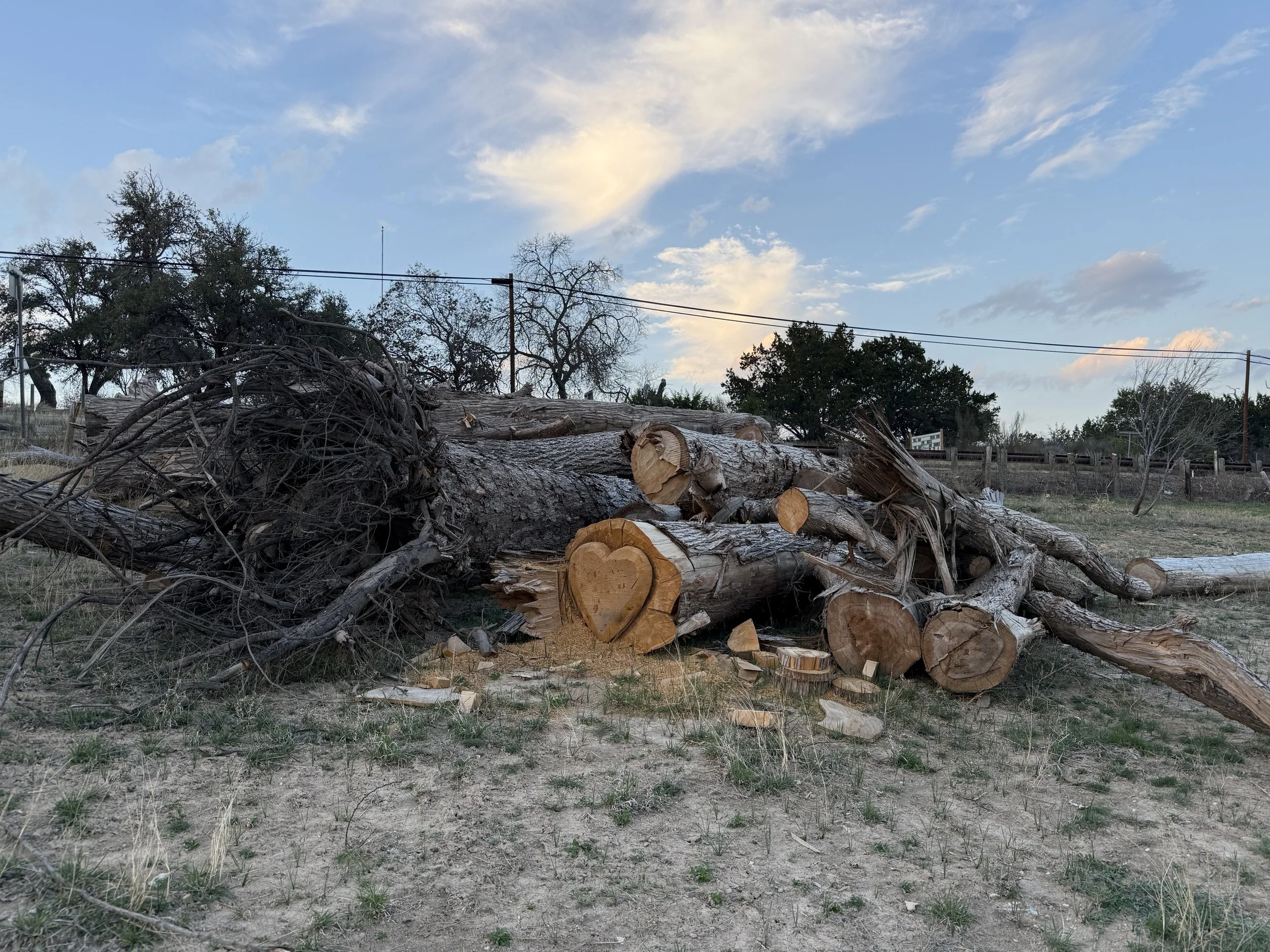
The machine’s training data is a corpus of my writing after the catastrophic flash flooding in central Texas on 4 July 2025. Human-caused climate disruption was likely a factor in the flooding, whose epicenter was my hometown, Hunt. 135 people died, and Hunt’s infrastructure, including its post office and only store, was erased. In the months that followed, I lost, to other causes, three family members who lived in the area.
In designing A Grieving Machine, I ask, how can a local LLM be trained to engage with human grief on multiple scales at once, from the intimate to the public and planetary? More pointedly, can I put my grief into it? Can it then co-author poems with me that are worth reading? What can trying show us about the future of the book in the age of GenAI, or about the risks and appeal of AI grief aids, or about our responsibilities to each other and our environment in the face of the increasingly aggressive resource demands of commercial LLMs?
A Grieving Machine is supported by a Chinese University of Hong Kong Faculty of Arts Direct Grant. I will present the work-in-progress at Breaking the Code: Hactivating Non-normative Algorithms, held in Porto, Portugal, in June 2026.